This summer, the most-watched sporting event in the world took the United States by storm. Records were broken. Players left. Cultures merged. Referees were deported. And Spain lifted the trophy.
The 2026 World Cup forcefully brought the world together in a time of high political unrest, creating unexpected opportunities for people to come together. Forget about the actual soccer; this World Cup was a test of what happens when we drag heated tensions around the globe onto a playing field. In the end, it showcased inspiring examples of humanity and acceptance, especially here in Boston.
That is not to say there wasn’t abuse of power and corruption that slipped into the tournament. Even before the opening match, lawsuits and public criticism erupted about FIFA and Ticketmaster after ticket prices reached record highs. Later, Trump publicly urged FIFA to overturn Folarin Balogun’s red card, an unprecedented request during the World Cup.
However, despite these stories, the heartwarming number of anecdotes from across the country outweighed the negatives. There was notable hospitality here in Boston. Walking into Dunkin’, riding the T or stopping by local bars, you could see Scots dressed in kilts and proudly waving their flag. Massachusetts, not necessarily known for its kindness, welcomed the Scots with an overwhelming love.
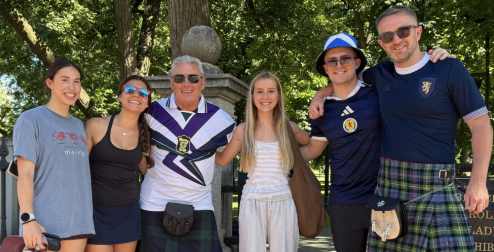
Scotland played two World Cup group-stage matches at nearby Gillette Stadium. (JJ Lally)
The Scots also brought over simple trends and pranks for the Bostonians to enjoy. Scots started placing traffic cones on famous Boston statues as part of a tradition that began in Glasgow, Scotland, during the 1980s: A traffic cone was placed on the head of the statue of the Duke of Wellington as a sign of national humor and a metaphor for not taking life so seriously. The Scots also influenced Massachusetts legislation! Governor Maura Healey took the Scottish sense of humor to heart, pretending to legalize haggis, a Scottish pudding made from sheep’s liver and heart.
The relationship between Scotland and Boston became a testament to cultures blending without prejudice and showcased the city’s ability to offer a warm welcome for visitors around the world. Go Boston!
In the end, the 2026 World Cup sent one clear message to the globe. Despite political division and corruption surrounding the tournament, stories of kindness, perseverance and hospitality proved that unity cannot be tarnished. At the Upper School, let’s learn from the World Cup: Despite our individual differences and backgrounds, we can remain kind and welcoming to one another and have a little fun along the way.