On Saturday, Sept. 19, Lane Kiffin marched his Louisiana State University (LSU) Tigers down to Oxford, Mississippi, to face the Ole Miss Rebels. The matchup was highly anticipated because Kiffin was set to face his former team, and upon his entrance into the stadium, he was booed, and the booing didn’t stop until the final whistle blew. Ole Miss had a clear reason to root for LSU and Lane Kiffin’s demise — he had coached the previous season before leaving for conference rival LSU just ahead of the College Football Playoffs.
The rest of college football had a different reason to root against LSU. They were infuriated, the SEC in particular, that Lane Kiffin attempted to bring former professional football players onto his roster.
Historically, college football has been meant for teenagers and kids in their early twenties, and, above all, it has been meant for students — not professionals. Kiffin attempted to enroll tight end Dae’Quan Wright and defensive tackle Zxavian Harris back into college. While both were labeled as former National Football League (NFL) players, in reality they were only NFL training camp participants. Both declared for the draft and went undrafted in 2025 before signing with NFL teams for training camp, Wright with both the Eagles and Browns, and Harris with the Saints. Both players were waived by their respective teams before the commencement of the NFL season.
While it is a stretch to call these players former professionals, Kiffin’s attempt is still unethical and against the proper nature of college football. Already, the NIL (name, image and likeness) has had severe ramifications. Student-athletes have decided to stay playing college football longer for upwards of five years to maximize their profit from college football, and other students have transferred multiple times to make more money, sacrificing a typical college experience and education.
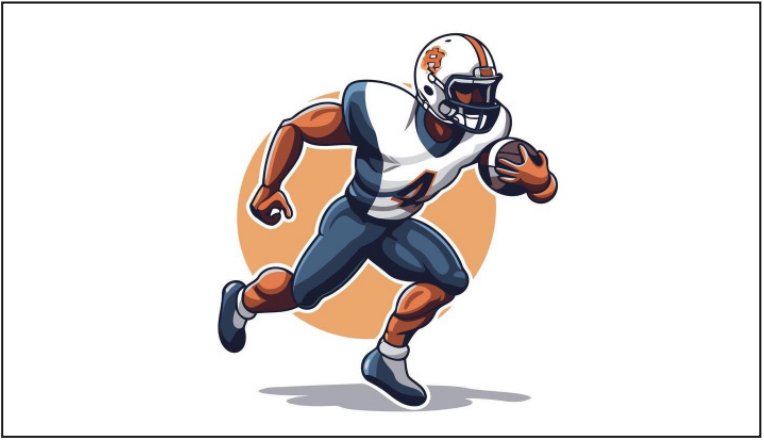
Of course, there have been positives to NIL. For years, colleges and coaches have benefited from the immense profits these 20-year-olds have generated. The players earn a fraction of the money they produce. It is fair that the actual earners of that profit see some money themselves. That was the initial idea behind allowing college athletes to earn money.
But it has gone too far. Had the SEC and the rest of college football turned a blind eye in the Lane Kiffin situation, the effects could have spiraled out of control, changing the college football landscape we know today. It could have changed college football into a league for professional rejects instead of college kids.
The agreed-upon solution was the five-for-five rule, which went into effect for the new 2026 season.
The new rule is an age-based eligibility model that gives collegiate student-athletes in Division I or II up to five seasons of eligibility within five years. The five years start either upon full-time college enrollment or the athlete’s 19th birthday — whichever comes first. Not only does this rule help stabilize college football, but it also affects the reclassifying trend appearing in prep schools across the country, like ours, where athletes repeat a grade to be bigger, faster, stronger and more skilled for their respective sport. With the new five-for-five rule, when you turn 19, your clock starts, so fewer athletes will be spending their years in high school and rather will be focused on playing college sports.
Lane Kiffin’s loss to Ole Miss left the rest of the country satisfied. While he was the one guilty of abusing college football’s rules about NIL, he did highlight flaws in the structure of college football that need to be fixed to ensure College GameDay, The Game (Ohio State vs. Michigan), in-state rivalries, Dr Pepper’s Fansville commercials, the Heisman race and the rest of what we love about college football don’t vanish.