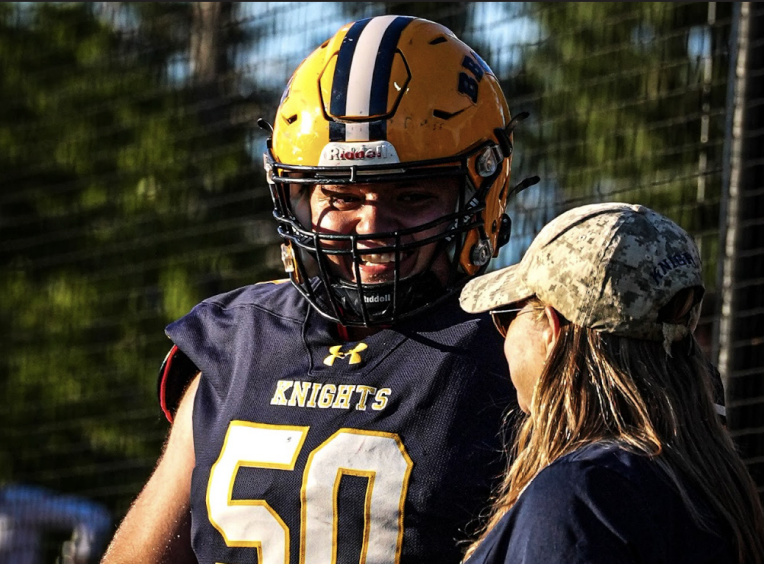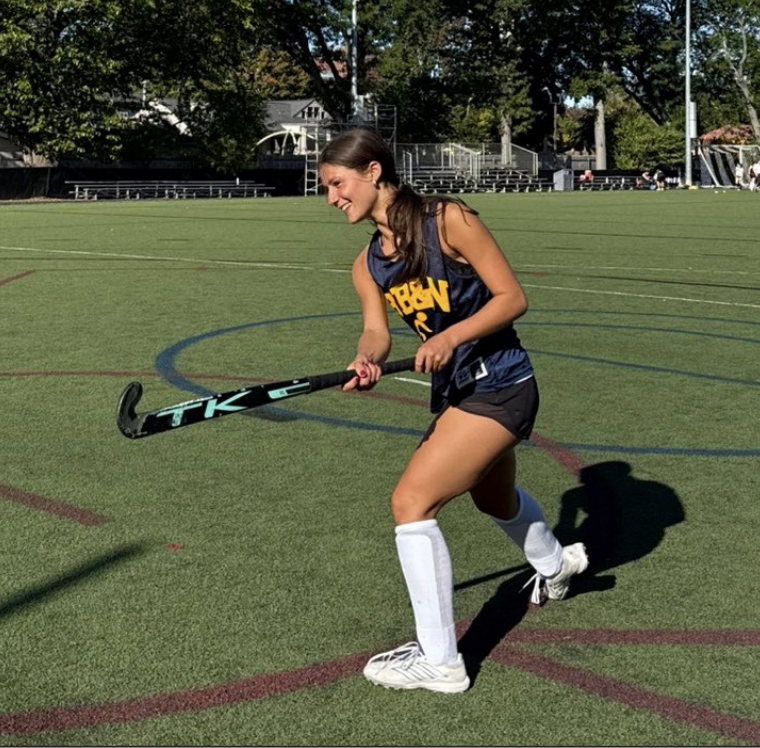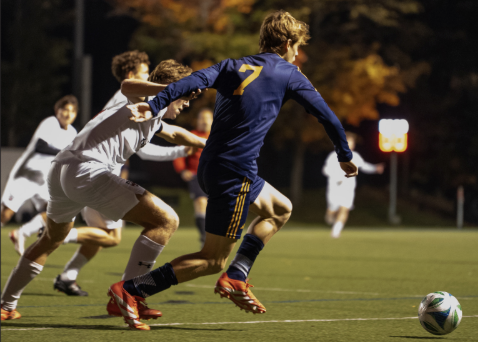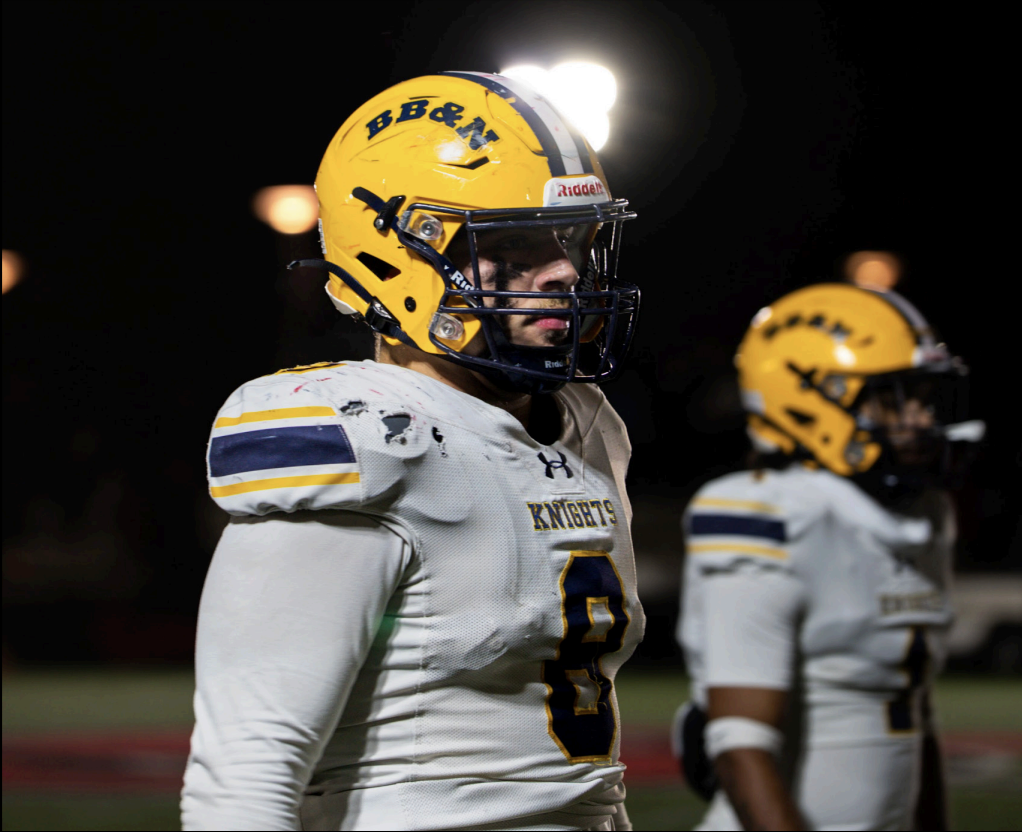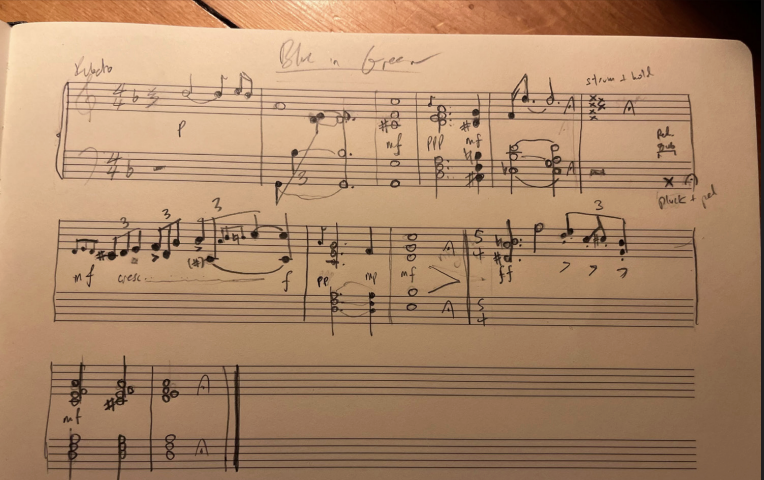
For some Upper School (US) students, the end of athletic practice marks the beginning of another kind of practice. Alongside crew practice, lacrosse games and football scrimmages, some student-athletes also rehearse with the US Orchestra or US Jazz Band.
Amo Forman ’27, who plays lacrosse, runs cross country and plays bass in the jazz band, said the attention given to athletics can sometimes cause students to be defined by one part of their identity.
“Looking back to when I was a freshman, and still now, it was a big deal to be a sports recruit, and that type of stuff garners a lot of attention, for better or for worse,” he said. “Often it makes people feel that that is all that they are, which may contribute to the culture of not using the school’s resources to their fullest potential in both art and sports.”
Boys’ Varsity Crew rower and US orchestra oboist Anthony Gao ’29 said his peers associate him more with music than rowing.
“I feel like being a musician and an artist is higher on the list of what comes first when someone thinks of me,” Anthony said. “Most people don’t really think of me as a rower, because at school they don’t see a whole lot of that. They see more of what’s present during the school day, which is more about music.”
Finding time for instrumental practice while keeping up with rowing and schoolwork is challenging, he said.
“I still find the time to balance instrumental practice, academics and athletics by just squeezing in time after I get home to play the oboe,” Anthony said. “Even if I get home late from a practice, I still squeeze in a short amount of time, even if it’s only half an hour every day. Orchestra being part of the built-in school day with blocks does make it a bit more manageable too.”
While rehearsal time for the orchestra is built into the musicians’ daily block schedule twice a week, the jazz band rehearses one day per week after school. Will Eddy ’29, who plays football and trumpet in the jazz band, prefers this rehearsal timing over a school time rehearsal.
“It gives me extra free blocks where I can get some of my work done beforehand,” Will said. “I feel like I can focus on jazz band more when I don’t have classes on my mind.”
Will said he typically practices trumpet for about 15 minutes every night, with longer sessions on weekends.
Chamber Music and Orchestra Teacher Elliot Cless ’02 sees the time commitment of student musicians through his work as an advisor and his regular orchestra check-ins with students.
“It’s a challenging balancing act,” Dr. Cless said. “There are student musicians who have an outside orchestra, are taking private lessons and are maybe required to practice an hour, an hour and a half per day, which is a heavy workload in addition to the BB&N homework and athletic commitments.”
Dr. Cless also compared the discipline required in arts and in athletics.
“At the deepest level, I wish more people understood the time commitment and intense focus that is required of students in order to pursue arts in high school or at higher levels,” he said. “We do talk a lot about discipline in the classroom, just as we talk about it on the playing fields. In the arts, it really requires a high degree of discipline as well. Creativity, personal expression and then also the discipline to pursue a project that might take months to come to fruition.”