After completing their two-year art requirement, 47% of juniors and 41% of seniors chose to continue with art classes this academic year. Though the Upper School (US) frequently features galleries, performances and concerts, art is often the first class students drop as course loads increase, US Art Department Head Adam Howarth said.
“Once you factor in APs and advanced courses, it becomes more difficult to continue on with arts. But those problems are not insurmountable, and there are easy solutions around them.”
The arts department is working to increase the number of semester-long arts classes and publicize afternoon studio arts.
“We rely heavily on advisors to help students understand why the arts are important,” Mr. Howarth said. “We also try to make the arts an environment for self-reflection, a time in the middle of the day to decompress a little bit from the stress of academics.”
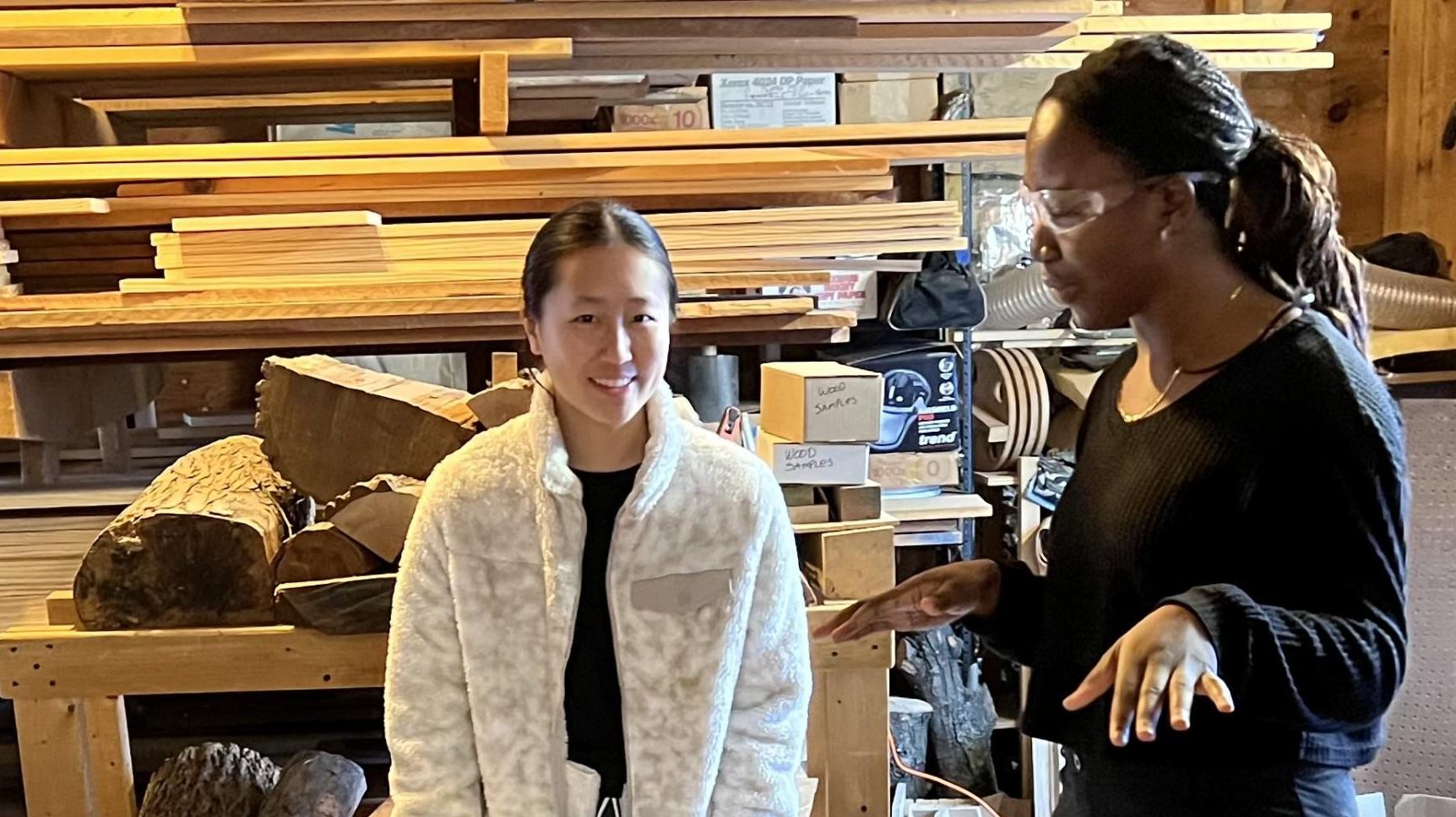
US Visual Arts Teacher Laura Tangusso coordinates the Petropoulos Art Scholars Program.
“For Petropoulos, we go out and see things that you might not normally see, like the youth film festival in November,” she said. “We also try to create more semester options, so that if a student really wants to stay with the arts, but can’t or doesn’t want to commit to a whole year, they can take a half year of art, or as another option, Afternoon Arts, which meets twice a week for a trimester.”
Students often view the arts as supplemental courses.
“The messaging to students tends to suggest that after tenth grade they’re going to have too many other things to do, so shouldn’t take more art,” Ms. Tangusso said. “But, the actual experience for a student is often that it’s not a heavy add, but instead enjoyable and calming, involving a different part of their being, their body and spirit.”
Salar Sekhavat ’26 participated in chamber music and orchestra for four years.
“The school has really good visibility and recognition of art,” he said. “You think about the walk-through galleries, the theater performances, a cappella and chorale. The school is really good at building the art community, but the art realm and classes realm are treated separately.”
Last year, Tia Reddy ’26 dropped an art class to take a sixth academic class.
“The issue that I had with film was that I just didn’t know what I would be able to do in it,” she said. “I didn’t know that I loved art, but I did know that I loved history, and that was something that I wanted to prioritize.”
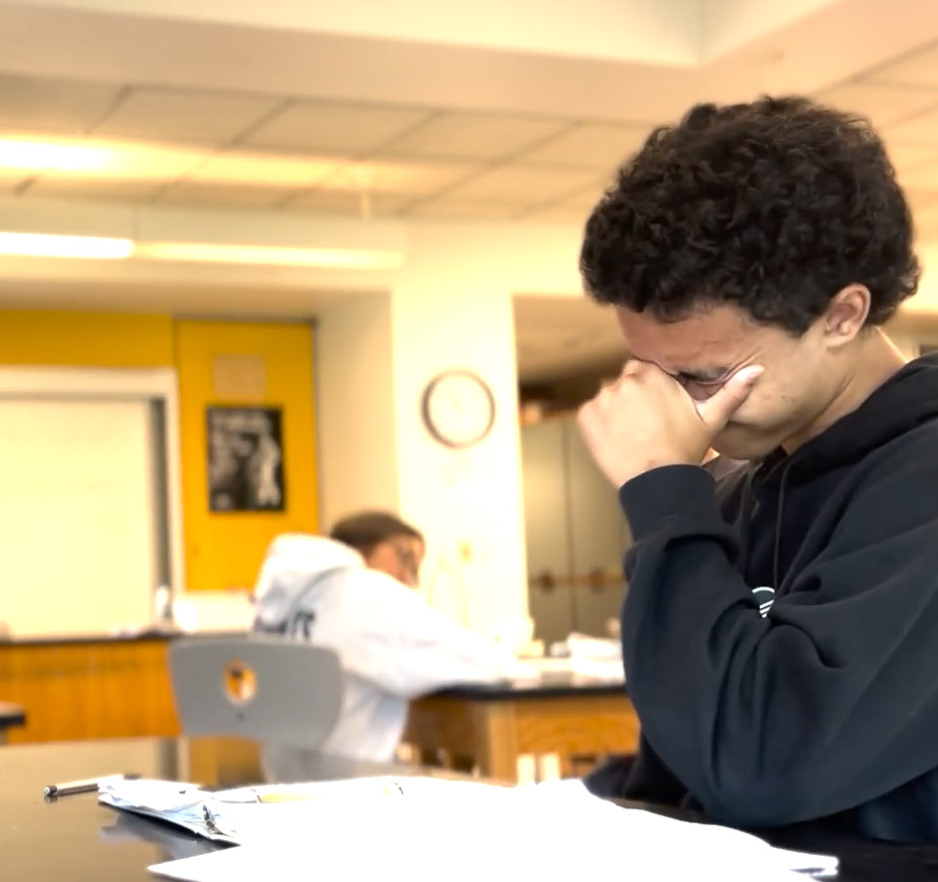
Ella Botein ’26 said academic pressure led her to step away from the arts.
“Coming back from a semester abroad, I felt like I needed to spend a lot of time catching up on my classes. Junior year is known for having a hard curriculum, so I wanted to focus more on my academic courses.”
Students will feel motivated to continue with arts classes only if they particularly connect with a class, Ilsa Schrag ’28 said.
“The arts department does a good job of telling us about the arts, and I get a lot of emails, so I definitely know what’s happening. If I really like the class, then I’ll take another one next year. If I don’t find it particularly enjoyable, I’m not going to.”
Mr. Howarth and Ms. Tangusso said students often overestimate the time art classes require and underestimate their benefits. They said they hope more students will choose to pursue art classes as upperclassmen.