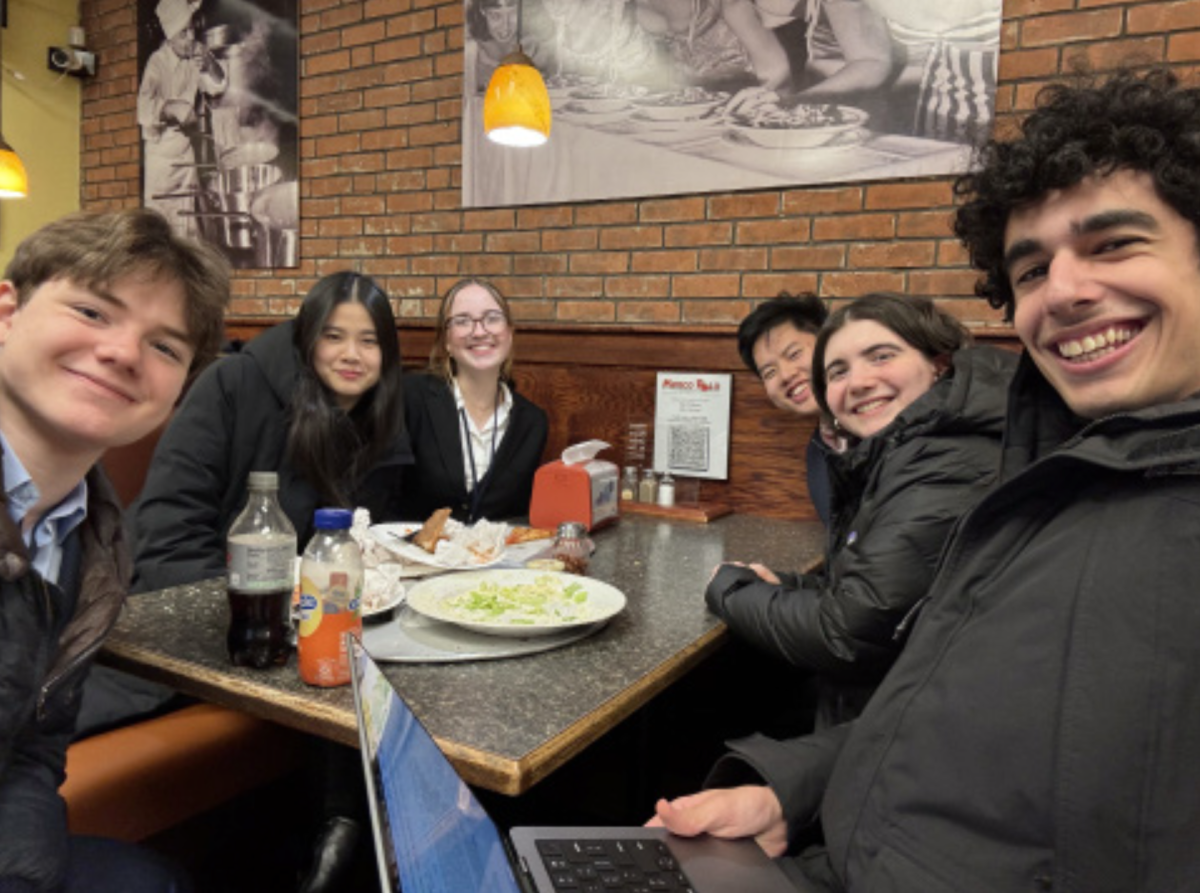
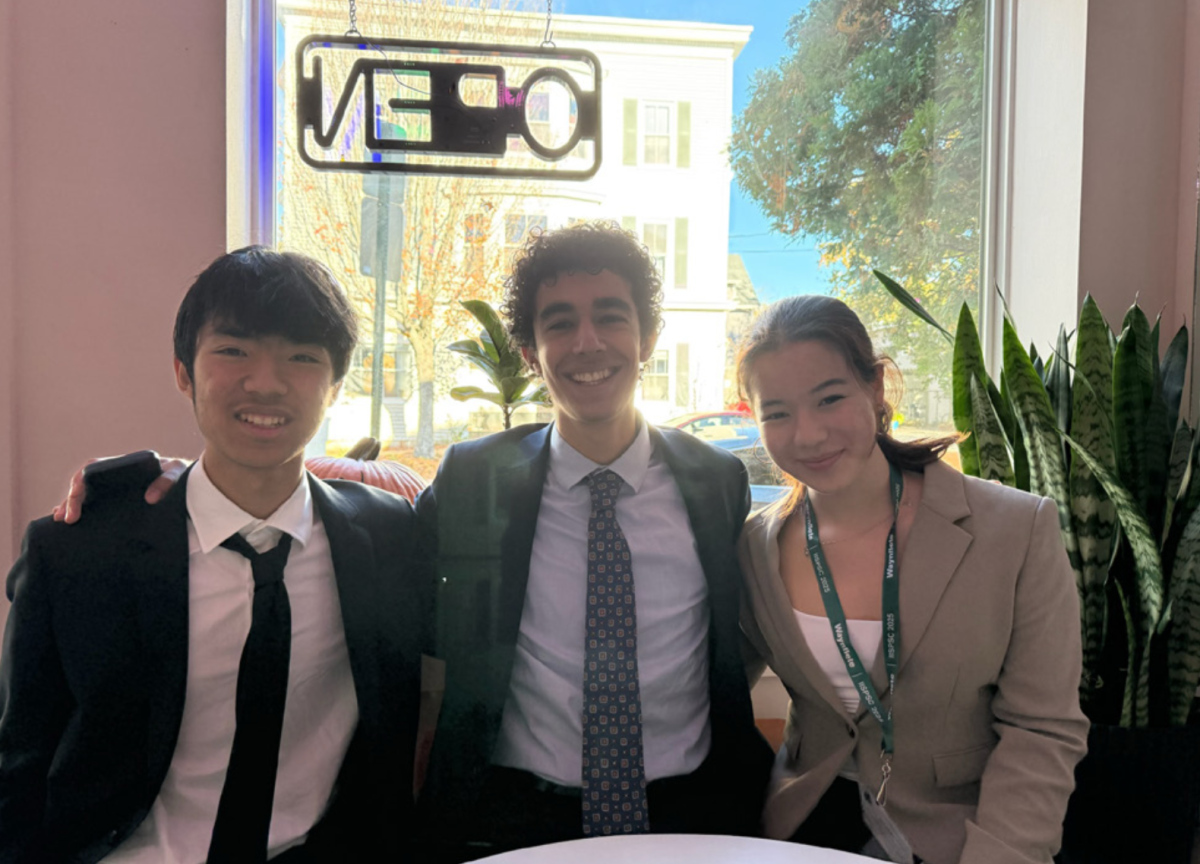
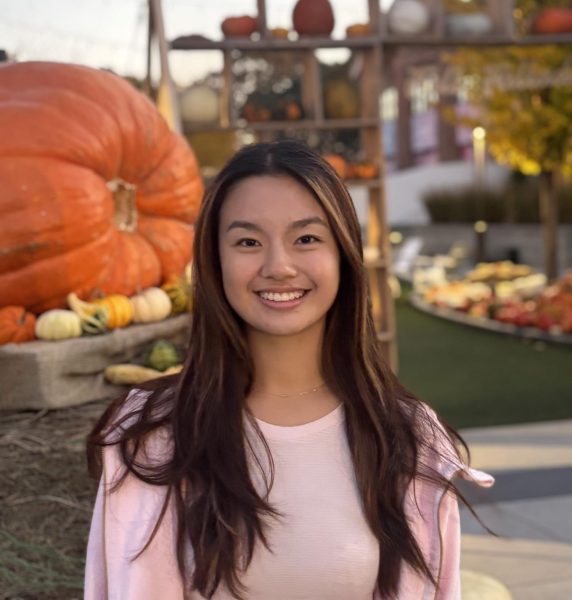
Four Upper School students spent the fall trimester in programs across Idaho, Chile and Switzerland, combining academics with outdoor learning experiences. Hazel de Winter, Tristan Ko and Pari Naga (all ’28) attended Swiss Semester in Zermatt, and Maia Dokmo ’27 participated in the Alzar School. In the spring, Ingrid Schrag ’27 will travel to the Maine Coast Semester at Chewonki. —Christine Tao ’27
Beyond the bubble
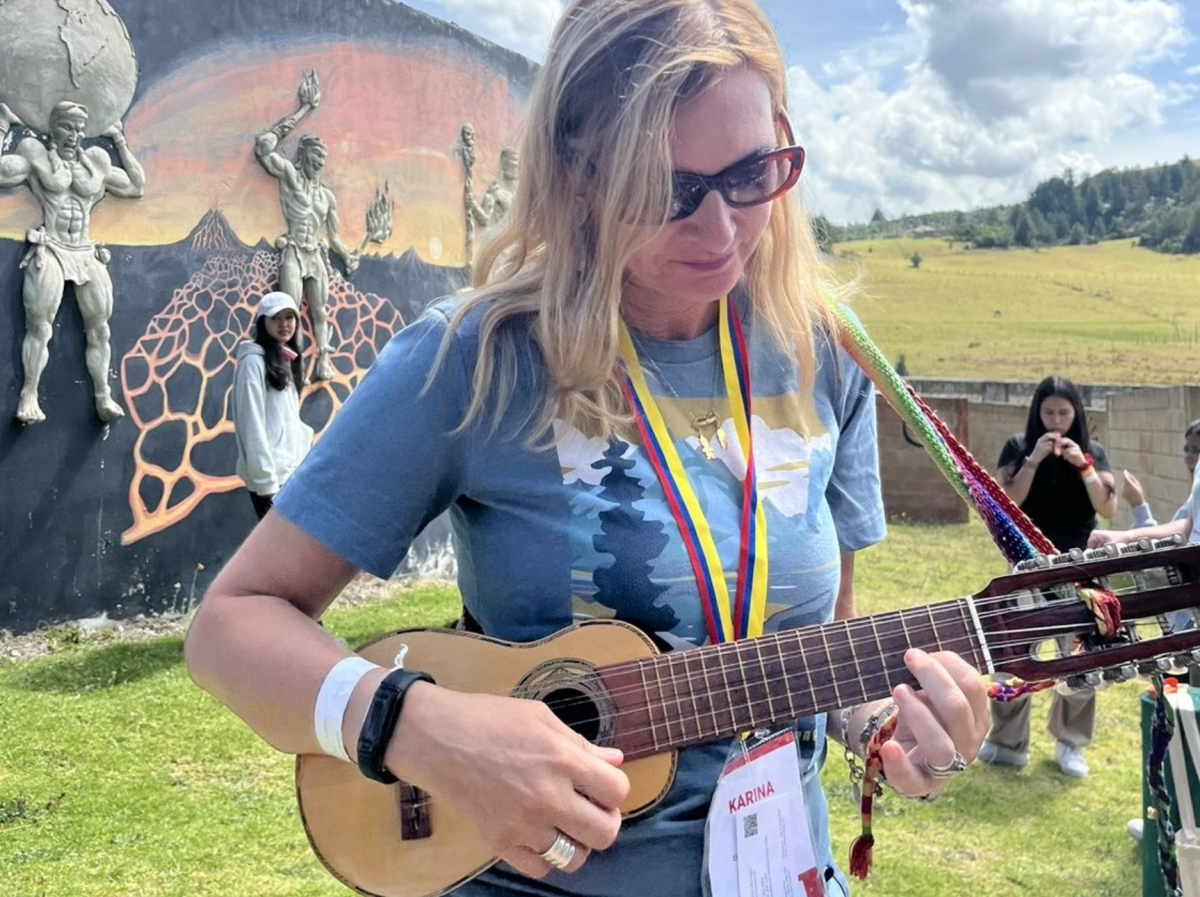
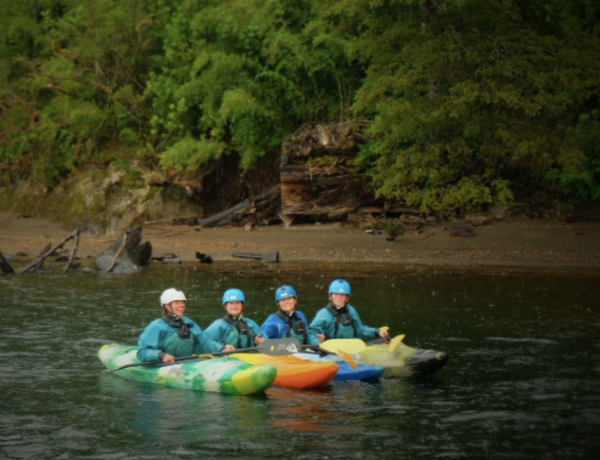
How can four months studying away from everyday life in the outdoors of Idaho and Chile redefine ideas of community, school and yourself? During the fall, Maia Dokmo ’27 took her learning beyond the Upper School campus, spending her semester away at the Alzar School in both Cascade, Idaho and Patagonia, Chile.
“I wanted to go on a semester abroad to experience something new,” Maia said. “To me, BB&N felt like a bubble that I just couldn’t pop, and I felt tired of being limited to this campus.”
Heading into the Alzar School, Maia didn’t know what to expect.
“I was ready for a new experience where I could learn more about the world and myself,” she said. “The best way I could describe it would be surpassing my idea of school, what it could be, and completely redefining my idea of community and travel. Every moment was so wholesome and filled with the most beautiful views I’ve ever seen.”
She also participated in several outdoor activities, including backpacking, kayaking and rafting.
“I fell in love with most campuses and areas and can’t wait to go back,” she said. “Highlights from this experience were getting to spend time in the backcountry or off the grid. I learned to appreciate the little things and experiences and that if I keep going, I can scale any mountain and kayak any river.”
Maia joined a strong community at the Alzar School.
“Everyone there, from the staff to the fellow students, was so kind and willing to teach, learn, explore, fail and grow together,” she said. “Going there truly changed my life, and I urge anyone interested to look into applying.” —Andy Wang ’29
Offline in the Alps
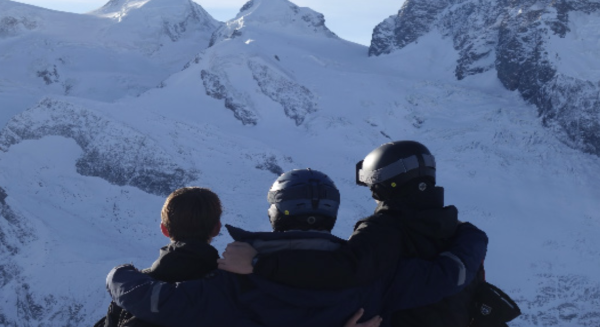
Three Upper School (US) students traded screens for summits this fall, attending the Swiss Semester in Zermatt, Switzerland, through the school’s semester away program. Hazel de Winter, Tristan Ko and Pari Naga (all ’28) took part in the four-month program, balancing academics with hiking, ice climbing and skiing — all with zero access to technology.
Hazel said the no-technology policy shaped friendships.
“It forced everyone to be more present in the moment and to interact with each other, so it led to more meaningful connections. I tried to prioritize living in the moment, exploring and making connections.”
Each day, students went to six classes before skiing or hiking for three hours. During the program, Pari traveled with a small group of students to Venice.
“It was really intriguing to go to a foreign place, not have your phone and be independent,” she said. “I learned how to function on my own and how to navigate without a phone. I definitely know how to manage my time more efficiently.”
For Tristan, the no-technology approach had its greatest impact on academics.
“It made everything more hands-on, and you really had to understand what you were learning to properly engage,” Tristan said. “Because everything was handwritten, you had to slow down and be a lot more intentional with your sentences: You couldn’t just edit it later. Research was a big change, too. Going through books to find sources and citations manually made me better at citing and paying closer attention to what I was reading.”
Geology was one of the courses.
“We went on three-hour hikes to do technical drawings of glaciers and mountains, and we would collect rock samples to analyze and reconstruct the history of the valleys,” he said. “We learned how to identify rocks based on where they were placed and what they look like.”
The semester abroad was Tristan’s first time experiencing boarding school.
“It changed my perspective on how a community is so much different when you live with the people in it,” he said. “We hung out with each other all the time, which I wasn’t used to back home. It’s mind-blowing how close we’ve all gotten through just three months of knowing each other.” —Christian Chow ’28