Watching the events of Jan. 6, 2021 unfold was utterly bonkers. I still remember that Wednesday, back when hybrid learning bifurcated seventh grade into alternating remote and in-person days. I was sitting at home, bored after a day of classes on Zoom, when I read that rioters had breached the Capitol. All I could do was gasp a “holy s***.” My unread messages numbered in the hundreds as my news-junkie friends Zach and Daniel clacked away at minute-by-minute updates in group chats.
During school the next day, you couldn’t forget. In English, we paused “The Outsiders” to touch on the events of the prior afternoon; in Global Studies, you can be sure that the lesson wasn’t about WWII history anymore. At the time, it felt like a moment of reckoning in which all the polarized conversations of the past three election cycles had finally boiled over. That’s to say, this was the worst of it, right? America couldn’t just sit by and watch after citizens, egged on by the president, stormed its legislature to overturn election results, right?
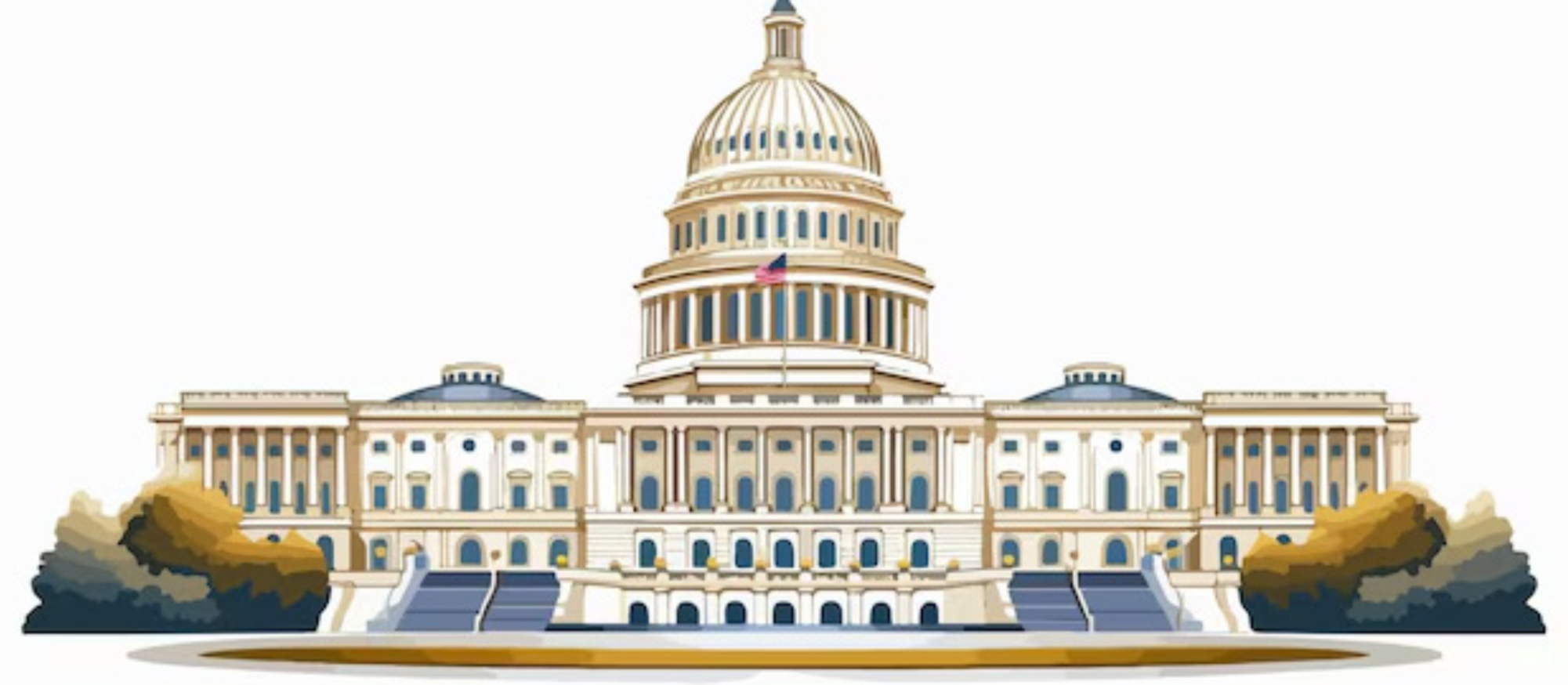
Well, we did exactly that. The Tuesday after we got back from winter break marked five years since it happened. Given the chaos that’s engulfed Minnesota, Venezuela and Iran, you’d be forgiven for completely forgetting Jan. 6 even happened.
Apart from a few features of now-pardoned rioters and D.C. cops in the New York Times, it seemed as if Jan. 6 had been reduced to a mere footnote lost in an expanding list of new crises. I’d go as far as to say that the erosion of American political standards should worry you, too. How do we reconstruct norms when we’re actively shown how they can be dismantled?
“Perhaps Jan. 6 serves as our reminder that scandal and public outrage cannot self-correct America’s path when the president simply denies what we all witnessed.”
This backsliding can, in part, be attributed to the Trump administration’s deliberate efforts to reframe the events of Jan. 6. The White House website now brazenly displays a page titled, “January 6: A Date Which Will Live in Infamy.” Said infamy, however, is not the infamy you’re thinking of. The real injustice, the current administration claims, was not a violent challenge to a peaceful transition of power but rather a Democrat-orchestrated plot to conceal rampant election fraud and censor the brave individuals willing to “stop the steal.” In this revisionist history, Nancy Pelosi and Mike Pence play the villains while Trump’s sweeping pardons of J6’ers come to save the day.
The facts of this narrative simply aren’t true, though. Despite the White House’s claim that “zero law enforcement officers lost their lives,” Officer Brian Sicknick passed away from assault-related injuries, and four other officers committed suicide in the following months. Some absurd mental gymnastics are being performed to justify this terrible act. Perhaps Jan. 6 serves as our reminder that scandal and public outrage cannot self-correct America’s path when the president simply denies what we all witnessed.
This continual subversion of decorum in the executive branch, you could say, is shrouded by the firestorm of incredibly blunt actions and statements on the Trump administration’s part. Thanks to the unfiltered, stream-of-consciousness wisdom the president shares on Truth Social and during almost every media outing, we’re invited to spectate a new level of insanity. It is as if Trump and his allies are asking someone to call their bluff, yet it seems like no one will. We’ve talked recently in AP Comparative Government and Politics about how to fix Nigeria’s low political culture and rampant corruption. America’s answer comes around in a similar way: a generation of leaders with the courage to swallow the past and challenge the nation to do better. I mean, this is why we study U.S. History — to learn so that we don’t paper over cracks and losses with whitewashed narratives and conspiracy theories. Rather, we confront misdeeds and ensure they don’t happen again.